Understanding the Role of HVAC Blower Housing in Efficient Airflow
The Importance of HVAC Blower Housing in Airflow Efficiency
How Blower Housing Affects Air Distribution
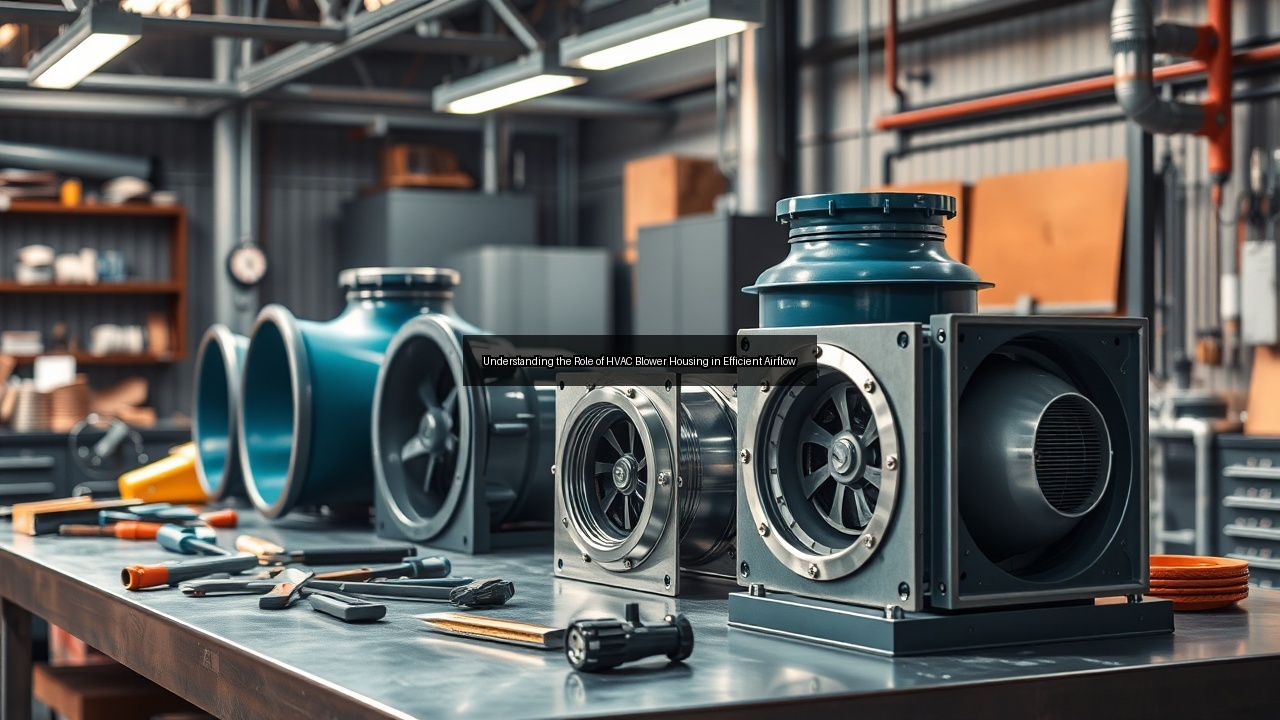
HVAC blower housing plays a crucial role in the efficiency of air distribution throughout a building. It serves as the enclosure for the blower fan, directing airflow into the duct system with precision. Well-designed blower housings ensure that air flows smoothly without unnecessary turbulence, which can lead to reduced efficiency and increased wear on components. The shape and configuration of the blower housing directly influence how effectively air reaches various rooms, affecting overall comfort and climate control. A proper fit and alignment of the blower housing with the ductwork enhances the HVAC system’s ability to maintain consistent temperatures and humidity levels, ensuring that every corner of your space receives adequate airflow.
The Role of Blower Fans in HVAC Systems
Blower fans are the heart of any HVAC system, responsible for moving air across heating and cooling coils. The efficiency of these fans is significantly impacted by the design of the blower housing. When the blower fan operates within a well-constructed housing, it can maximize airflow while minimizing energy consumption. Poorly designed or damaged blower housings can restrict air movement, leading to strain on the blower motor and increased energy usage. By investing in a quality HVAC blower housing, homeowners and businesses can ensure that their blower fans operate at peak performance, contributing to both comfort and lower energy bills.
Impact of Blower Housing on Energy Consumption
The relationship between HVAC blower housing and energy consumption is significant. A properly designed housing allows for optimal airflow, which reduces the workload on blower motors. When blower fans operate efficiently, they consume less energy, leading to lower utility bills. Conversely, if the blower housing is compromised—whether through wear and tear, improper installation, or design flaws—the blower fans must work harder to push air through, increasing energy consumption. Homeowners should consider the long-term energy savings that come with selecting high-quality blower housings and maintaining them to ensure optimal performance and efficiency.
Components and Design of HVAC Blower Housing
Understanding Blower Housing Assembly
The blower housing assembly consists of several key components that work together to facilitate efficient airflow in HVAC systems. This assembly typically includes the blower fan, the housing itself, and various mounts and supports. The design of the blower housing is critical; it must be sturdy enough to withstand vibrations and airflow pressures while minimizing noise. The assembly process involves careful alignment and sealing to prevent air leaks, which can drastically reduce efficiency. A well-assembled blower housing not only optimizes airflow but also contributes to the longevity of the blower fan and overall HVAC system.
Materials Used in Blower Housings
Manufacturers use various materials for HVAC blower housings, impacting durability and performance. Steel is a common choice due to its strength and resistance to deformation under pressure. Some blower housings may incorporate plastic or composite materials, which can offer lightweight alternatives while resisting corrosion. The choice of material influences factors such as noise levels, heat transfer, and overall structural integrity. Understanding the materials used can help consumers select blower housings that not only meet their efficiency needs but also last over time, minimizing the need for replacements.
The Significance of Ball Bearings in Blower Motors
Ball bearings play a vital role in the operation of blower motors found within HVAC blower housings. These bearings reduce friction between moving parts, allowing for smoother operation of the blower fan. Quality ball bearings enhance the longevity and reliability of the blower motor, resulting in improved efficiency and reduced noise. Regular maintenance of ball bearings can prevent premature wear and tear, ensuring that the blower fan operates smoothly for years. Choosing a blower housing with high-quality components, including durable ball bearings, significantly contributes to the overall performance and lifespan of the HVAC system.
Choosing the Right Blower Housing for Your HVAC System
OEM vs Aftermarket Blower Housings
Choosing between OEM (Original Equipment Manufacturer) and aftermarket blower housings is a critical decision for HVAC system maintenance and upgrades. OEM parts are specifically designed for your particular HVAC system, ensuring compatibility and often higher quality. Aftermarket options, while sometimes more affordable, can vary in quality and may not fit perfectly, potentially leading to inefficiencies. When selecting a blower housing, consider factors such as warranty, brand reputation, and specific requirements of your HVAC system. Weighing the benefits of reliability against cost can guide you to the right choice for maintaining airflow efficiency.
Considerations for Brands and Warranty
Brand reputation significantly influences the quality and reliability of HVAC blower housings. Renowned brands often provide warranties that reflect their confidence in product durability. A solid warranty offers peace of mind, protecting your investment against manufacturing defects or premature failure. When evaluating blower housings, consider not only the brand but also customer feedback regarding performance and reliability. Brands with positive reviews and solid warranties often indicate higher quality, ensuring that your HVAC system functions efficiently and effectively over its lifespan.
Feedback and Reviews on Blower Fans
Consumer feedback plays a vital role in selecting the right blower fans for HVAC systems. Online reviews and ratings provide insights into the performance, durability, and efficiency of various blower fans and their housings. Look for patterns in reviews that highlight common issues or standout features, such as noise levels or energy consumption. Engaging in forums or communities focused on HVAC systems can also yield valuable information from fellow users. This collective knowledge helps you make informed decisions when choosing the right blower housing and fan combination, optimizing airflow and efficiency in your home or business.
Maintenance and Troubleshooting of Blower Housing
Common Issues with Furnace Blower Housing
Maintaining your HVAC blower housing is essential for optimal performance. Common issues include dust and debris accumulation, which can obstruct airflow and lead to overheating. Additionally, physical damage to the housing can occur over time, resulting in vibrations and noise that disrupt system efficiency. Regular inspections allow homeowners to identify these problems early. Addressing issues promptly—such as cleaning or repairing the blower housing—ensures that the furnace operates smoothly, maintaining consistent heating without excessive energy consumption.
How to Clean and Maintain Air Filters
Clean air filters are integral to the efficiency of blower housing in HVAC systems. Clogged filters restrict airflow, forcing blower fans to work harder, which can lead to increased energy consumption and potential damage. Homeowners should check and replace or clean air filters regularly, typically every one to three months, depending on usage and environmental conditions. A clean air filter not only enhances airflow but also prolongs the life of blower fans and the overall HVAC system, ensuring that your indoor air quality remains high while maintaining energy efficiency.
Signs of a Failing Blower Fan in HVAC Systems
Recognizing the signs of a failing blower fan in your HVAC system is crucial for timely intervention. Common indicators include unusual noises, reduced airflow, or the blower fan not turning on at all. If you notice any of these symptoms, inspect the blower housing and components for wear or damage. Early detection can prevent further issues and costly repairs. Regular maintenance checks, including lubricating moving parts and ensuring proper alignment, can help prolong the life of the blower fan and the overall HVAC system, maintaining efficient airflow throughout your space.
See Also
- How to Choose the Right Blower Housing for Your HVAC System
- The Role of Ball Bearings in Enhancing Blower Housing Efficiency
- How Blower Housing Affects Noise Levels in HVAC Systems
- The Future of Blower Housing Innovations in HVAC Technology
- Unveiling the Secrets of OEM vs Aftermarket Blower Housings