Spotlight on Set Screws and Their Role in Hub Flange Assembly
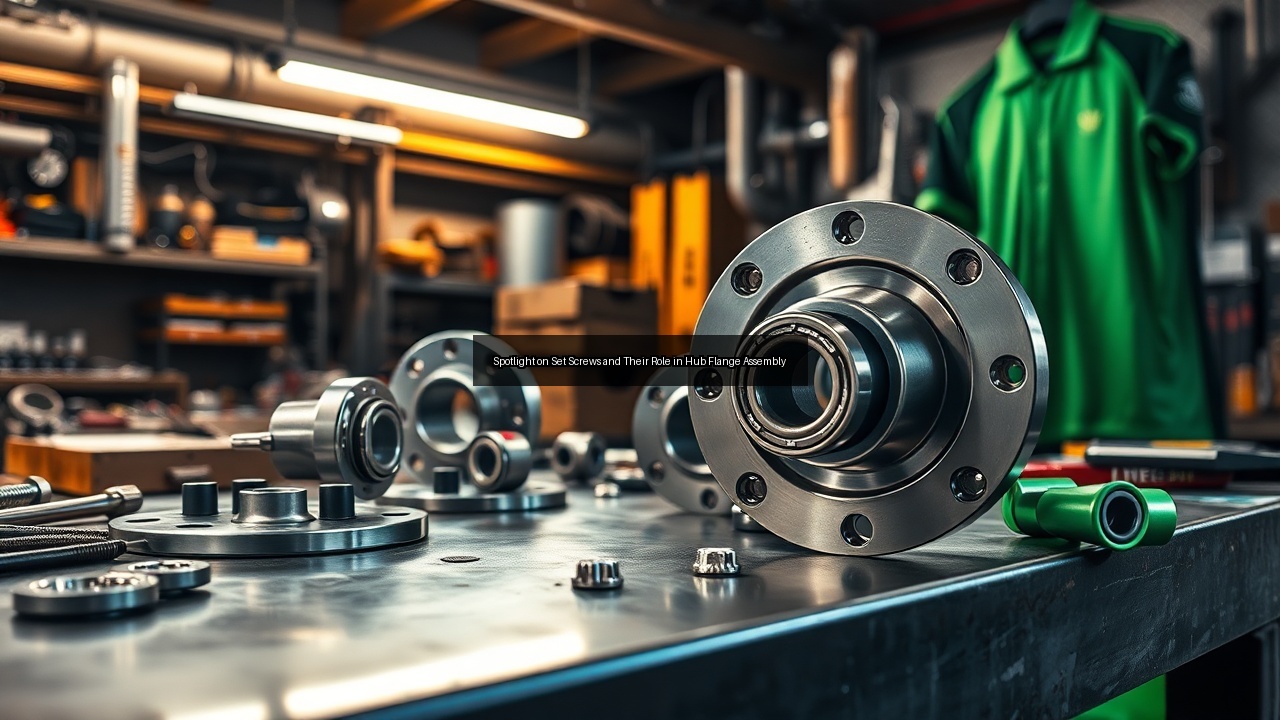
Understanding Hub Flanges and Their Importance
Definition and Function of Hub Flanges
Hub flanges serve as critical components in various mechanical systems, particularly in vehicles and machinery. A hub flange is essentially a flat circular component attached to the end of a hub. It allows for the secure attachment of wheels, gears, or other machinery elements. The primary function of a hub flange is to provide a stable connection point for these components while ensuring proper alignment and distribution of loads. This stability is crucial for optimal performance and longevity of the entire assembly, especially when subjected to the dynamic forces experienced during operation.
Types of Flanges Used in Hub Assemblies
Different types of flanges find application in hub assemblies, tailored to specific requirements. Standard flat flanges provide a simple yet effective means of connection through bolts or flange hub screws. Raised face flanges improve sealing capabilities, essential in systems where fluid containment is critical. Weld neck flanges allow for stronger connections, especially in high-pressure scenarios. Furthermore, slip-on flanges offer versatility, easily adaptable for various applications. Each type plays a vital role, impacting the overall efficiency, ease of maintenance, and safety of the hub assembly.
The Role of Flange Ball Bearings in Hub Systems
Flange ball bearings integrate seamlessly with hub flanges, enhancing the performance of the assembly. These bearings reduce friction between moving parts, enabling smoother rotation and improved efficiency. The incorporation of flange ball bearings provides additional support and stability to the hub, allowing it to handle greater loads and resist wear over time. Properly chosen and installed bearings ensure that the hub operates optimally, extending the lifespan of both the bearing and the connected wheel components. This interaction underscores the importance of selecting the right combination of flanges and bearings for any mechanical application.
Set Screws: The Unsung Heroes of Hub Flange Assemblies
What Are Set Screws and How Do They Work?
Set screws are small but mighty fasteners that play a crucial role in securing various components within hub flange assemblies. Typically threaded and designed to fit snugly into a pre-drilled hole, set screws secure items like pulleys, gears, and, notably, flanges to their respective shafts. By applying pressure directly against the shaft, they prevent slippage and maintain alignment during operation. Their design includes various head types, such as cup and flat, allowing for compatibility with different assembly configurations. Set screws may seem insignificant, yet their reliable performance ensures the integrity of the entire hub system.
Material and Design Considerations for Set Screws
Choosing the right material and design for set screws is essential for achieving optimal performance in hub flange assemblies. Common materials include stainless steel, carbon steel, and alloy steel, each offering varying levels of strength, corrosion resistance, and durability. The design of the screw, including thread pitch and diameter, should match the specific application to ensure proper fit and function. Heat treatment processes can enhance the strength of set screws, making them suitable for high-stress applications. These considerations not only influence the immediate performance but also the long-term reliability of the hub assembly.
Applications of Set Screws in Hub Flange Assemblies
Set screws find extensive application in hub flange assemblies across various industries. In automotive design, they secure wheels to hubs, ensuring safe and reliable operation at high speeds. In cycling equipment, such as those used in events like the Tour de France Femmes, set screws play a vital role in maintaining the integrity of the wheel assembly. For example, cyclists like Tom Pidcock rely on well-secured components for peak performance. Additionally, set screws are used in industrial machinery to secure flanged components, enhancing overall productivity. Their versatile applications demonstrate their importance in maintaining stability and precision in various systems.
Interplay Between Set Screws and Wheel Components
Impact of Set Screws on Bearing Performance
The interaction between set screws and bearings significantly impacts the overall performance of hub flange assemblies. When set screws secure flanges correctly, they help maintain precise alignment between the bearing and the wheel. This alignment minimizes misalignment-related issues, such as increased friction and wear, which can lead to premature bearing failure. Moreover, a well-secured set screw ensures that the load is evenly distributed across the bearing surfaces, enhancing their efficiency and lifespan. Properly functioning bearings, in turn, contribute to a smoother ride and better handling, particularly in high-stakes environments like competitive cycling.
Troubleshooting Common Issues in Flange Assemblies
Identifying and resolving issues in flange assemblies can be challenging but is crucial for maintaining performance. One common problem involves loose set screws, which can lead to misalignment and increased wear on bearings. Regular inspections and maintenance can catch this early, allowing for timely tightening or replacement of the screws. Additionally, improperly selected bearings may cause issues such as overheating or excessive play. Understanding the interplay between set screws, flanges, and bearings empowers technicians to troubleshoot effectively, ensuring the longevity and reliability of the assembly.
Real-World Examples: Set Screws in Cycling Equipment
Set screws play a pivotal role in the cycling industry, especially in competitive events like the Tour de France Femmes. Cyclists rely on finely tuned gear systems, where every component must perform flawlessly. A prime example is the use of set screws to secure flanged hubs on high-performance bikes. These assemblies must withstand rigorous conditions, from steep climbs in Bordeaux to sprints in Aurillac. The integrity of the wheel assembly, maintained by robust set screws, directly affects a cyclist's performance, whether they’re vying for the green jersey or simply enjoying a ride. The emphasis on precision and reliability in these systems highlights the essential role of set screws in cycling equipment.
Future Trends in Hub Flange Technology
Innovations in Bearing and Flange Design
The future of hub flange technology promises exciting innovations aimed at enhancing performance and durability. Advances in materials science are leading to the development of lightweight yet strong composites that reduce overall weight while maintaining structural integrity. Furthermore, the integration of smart technology into bearings and flanges could provide real-time monitoring of performance metrics, enabling predictive maintenance and reducing downtime. These innovations will likely improve the efficiency of various mechanical systems, allowing for smoother operations and increased productivity across sectors, from automotive to cycling.
Sustainability in Manufacturing Hub Components
As industries shift towards more sustainable practices, the manufacturing of hub components is no exception. Companies are increasingly adopting environmentally friendly materials and processes to reduce their carbon footprint. Recycling old components and utilizing biodegradable materials in new designs can lead to more sustainable manufacturing cycles. In the context of cycling gear, initiatives focused on sustainability resonate with consumers, as seen in the growing popularity of eco-friendly jerseys and gear. This shift not only addresses environmental concerns but also enhances brand loyalty among environmentally conscious customers.
Insights from the Tour de France Femmes: Performance and Gear
The Tour de France Femmes serves as a showcase for the latest advancements in cycling technology, including hub flange assemblies. The rigorous demands of competitive cycling highlight the importance of reliable components, such as set screws and ball bearings, in achieving peak performance. Insights from this event reveal how teams prioritize weight reduction and component durability, optimizing their bikes for various terrains and conditions. The interaction between technology and athlete performance continues to evolve, emphasizing the role of precision engineering in achieving competitive success. As the sport grows, so does the focus on enhancing gear systems, ensuring every cyclist can push their limits while maintaining their equipment's integrity.