Hybrid Manufacturing Solutions for Innovative Cosmetic Products
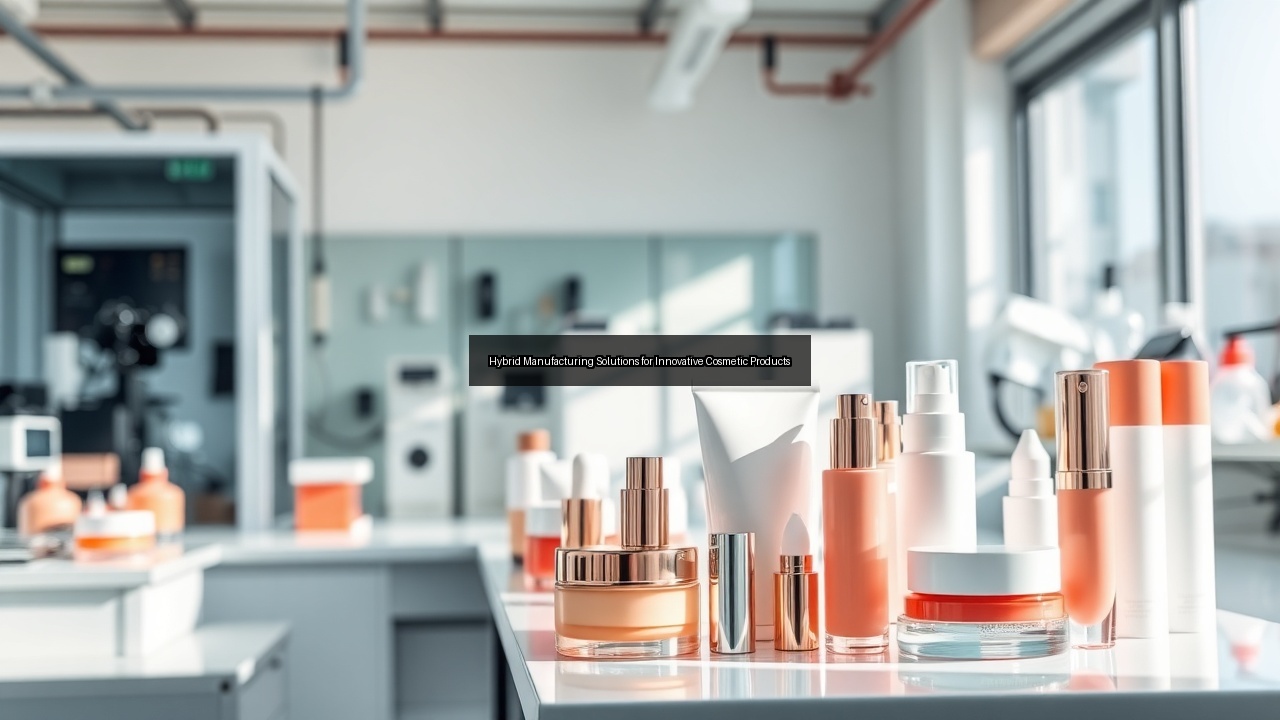
Understanding Hybrid Manufacturing in Cosmetics
The Concept of Hybrid Manufacturing
Hybrid manufacturing combines traditional and advanced manufacturing techniques to create innovative cosmetic products. It utilizes a blend of processes such as additive manufacturing (3D printing) and subtractive methods, allowing for greater flexibility and customization in product development. This approach enables cosmetic manufacturers to design unique formulations and packaging that cater to specific consumer needs and preferences. For brands looking to differentiate themselves in the crowded cosmetics market, hybrid manufacturing provides a strategic advantage by streamlining the production process and reducing time-to-market for new products.
Benefits of Hybrid Manufacturing for Cosmetics
Adopting hybrid manufacturing solutions brings numerous benefits to the cosmetics industry. First, the ability to quickly prototype and iterate on designs leads to faster innovation cycles. Brands can respond to changing consumer trends, such as the growing demand for natural and organic ingredients in skincare products. Secondly, this manufacturing method enhances efficiency by minimizing waste and optimizing resource utilization. It also allows for small-batch production, which is particularly advantageous for emerging brands looking to test new cosmetic products without committing to large quantities. Overall, hybrid manufacturing not only fosters creativity but also promotes sustainability in the cosmetics sector.
Key Players in Hybrid Manufacturing Solutions
Several key players are driving the hybrid manufacturing landscape in cosmetics. Leading cosmetic manufacturers are increasingly partnering with specialized contract manufacturers who have expertise in both traditional and advanced techniques. These contract manufacturing partners play a crucial role in helping brands develop custom formulations, especially in the realm of cosmeceuticals, which blend cosmetic and pharmaceutical qualities. Additionally, technology companies focusing on automation and 3D printing solutions support cosmetic brands by providing the necessary tools to implement hybrid manufacturing successfully. By collaborating with these innovators, brands can leverage cutting-edge technologies to enhance their product offerings.
Innovative Approaches to Contract Manufacturing
Tailoring Contract Manufacturing Services for Skincare Products
Contract manufacturing services for skincare products have evolved significantly to meet the diverse needs of brands. Customization stands out as a key feature, allowing brands to tailor formulations based on specific skin concerns, such as hydration, anti-aging, or acne treatment. This flexibility empowers brands to create unique skincare lines that resonate with target audiences. Moreover, contract manufacturers are increasingly investing in research and development capabilities, enabling them to innovate and incorporate new ingredients and technologies into formulations. Such collaborative efforts between brands and contract manufacturers result in high-quality skincare products that address market demands effectively.
Utilizing Automation in Cosmetic Manufacturing
Automation revolutionizes cosmetic manufacturing by enhancing consistency and efficiency. Automated processes streamline production, reduce human error, and lower labor costs. Implementing robotics and smart technology in the manufacturing line allows for precise ingredient measurements and consistent mixing, crucial for maintaining product quality. Additionally, automation enables faster production cycles, which is vital for brands looking to launch new makeup or skincare products quickly. As the cosmetics industry continues to embrace automation, brands can contract manufacturing cosmetics expect improved scalability and adaptability in their manufacturing processes, ultimately leading to more innovative product launches.
The Role of Research in Developing New Cosmetic Products
Research plays a pivotal role in the development of new cosmetic products. Understanding consumer preferences, market trends, and advancements in ingredient technology drives innovation in the cosmetics sector. Brands must invest in comprehensive research to identify effective ingredients that align with consumer desires for safe and effective skincare solutions. Furthermore, collaboration with research institutions and contract manufacturers enhances the R&D process, allowing for efficient testing and validation of new formulations. By prioritizing research, brands can develop cutting-edge cosmetic products that not only meet regulatory standards but also exceed consumer expectations.
Navigating FDA Regulations and Compliance
Understanding FDA Regulations for Cosmetics
Navigating the landscape of FDA regulations for cosmetics is essential for compliance and market success. The FDA does not require pre-market approval for cosmetic products, but it does enforce regulations concerning safety and labeling. Brands must ensure that all ingredients used in their cosmetics are safe for consumer use, and they must accurately represent their products through labeling. This includes adhering to guidelines on claims made about product efficacy, especially for skincare and cosmeceuticals. Understanding these regulations helps brands avoid potential legal issues and builds consumer trust in their cosmetic products.
Ensuring Traceability and Conformity in Manufacturing
Traceability and conformity are critical components of compliance in cosmetic manufacturing. Brands must implement systems to track the sourcing and processing of ingredients throughout the supply chain. This traceability ensures that all components meet safety standards and regulatory requirements. Moreover, manufacturers must maintain conformity with good manufacturing practices (GMP) to guarantee product quality. Documentation and record-keeping are essential for demonstrating compliance during audits or inspections. By prioritizing traceability and conformity, brands can enhance product safety and consumer confidence in their cosmetics.
Best Practices for Packaging Design and Compliance
Packaging design plays a significant role in the marketing and compliance of cosmetic products. Brands must ensure that packaging meets both aesthetic and regulatory requirements. This includes clear labeling of ingredients, usage instructions, and any warnings or disclaimers. Sustainable packaging solutions are increasingly popular, as consumers demand eco-friendly options. Brands should work closely with packaging designers to create effective, compliant packaging that protects the product and appeals to consumers. Implementing best practices in packaging design not only enhances brand image but also aligns with regulatory standards, ensuring a seamless path to market.
Logistics and Cost Management in Cosmetic Production
Strategies for Efficient Logistics in the Cosmetic Supply Chain
Efficient logistics in the cosmetic supply chain is vital for timely product delivery and customer satisfaction. Brands should adopt a holistic approach to logistics, integrating inventory management, transportation, and distribution strategies. Utilizing technology, such as supply chain software, enables real-time tracking of inventory levels and order fulfillment. Additionally, establishing strong relationships with suppliers and logistics partners can streamline operations and reduce costs. By optimizing logistics, brands can enhance responsiveness to market demands while maintaining product quality and availability.
Cost Considerations for Contract Manufacturers
Cost management is a crucial aspect when partnering with contract manufacturers in the cosmetics sector. Brands must evaluate various cost factors, including production volume, ingredient sourcing, and packaging requirements. Understanding the pricing models of contract manufacturers helps brands negotiate favorable terms while ensuring quality. It’s essential to strike a balance between cost and quality, as compromising on either can impact the brand's reputation and sales. By conducting thorough cost analysis and fostering transparent communication with contract manufacturing partners, brands can achieve a sustainable cost structure.
Balancing Quantity and Quality in Cosmetic Manufacturing
Balancing quantity and quality in cosmetic manufacturing presents a unique challenge for brands. High demand for certain products can lead to pressure for larger production runs, which may risk compromising quality. Brands must implement strict quality control measures throughout the production process, ensuring that every batch meets safety and efficacy standards. Collaborating closely with contract manufacturers allows brands to scale production while maintaining quality. This strategic partnership enables brands to meet consumer demand without sacrificing the integrity of their cosmetic products, fostering long-term success in the competitive cosmetics market.
See Also
- The Rise of Customization in Contract Manufacturing Cosmetics
- How to Ensure Ingredient Traceability in Contract Manufacturing
- Exploring the World of Cosmeceuticals and Contract Manufacturing
- Navigating the Complex Landscape of Cosmetic Manufacturing Regulations
- Maximizing Quality Control in Skincare and Cosmetic Production