How to Optimize Your Bulk Oil Storage for Fire Safety
Understanding Bulk Oil Storage Systems
Types of Bulk Oil Storage Tanks
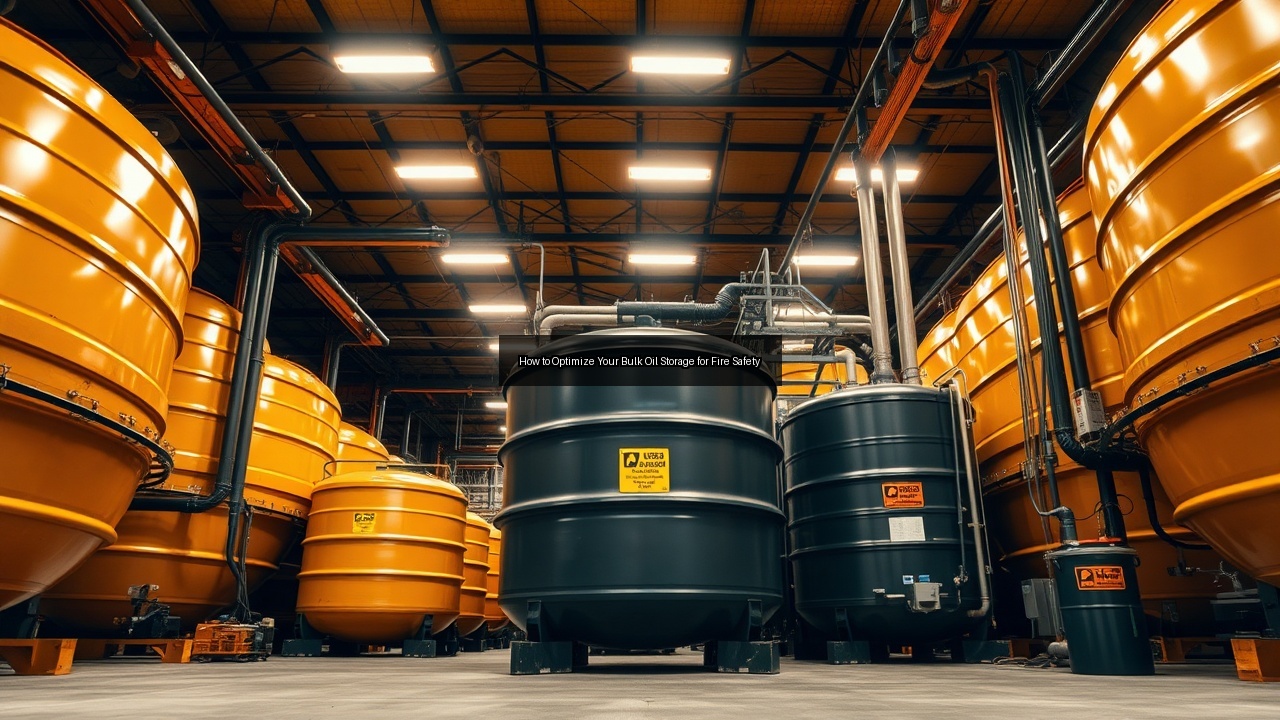
Bulk oil storage tanks serve as critical components in various industries, providing safe and efficient storage for lubricants and other fluid products. Common types of bulk oil storage tanks include above-ground storage tanks (ASTs) and underground storage tanks (USTs). Above-ground tanks, often constructed from welded steel or durable polyethylene, offer easier accessibility and visibility for inspections and maintenance. They can be found in various sizes, from smaller 55-gallon drums to larger tanks capable of holding thousands of gallons. On the other hand, underground tanks are typically used in applications where space is limited or where environmental regulations require them to be buried. Each type of tank has its unique benefits, but both must adhere to strict fire safety standards to mitigate risks associated with flammable materials.
Key Components of Bulk Oil Dispensing Systems
Effective bulk oil dispensing systems are essential for managing the transfer of lubricants from storage tanks to various application points. These systems typically consist of several key components, including pumps, flow meters, hoses, nozzles, and filtration systems. Pumps, whether electric or pneumatic, play a crucial role in moving oil from the storage tank to the dispensing point. Flow meters measure the volume of oil dispensed, ensuring accurate tracking and inventory management. High-quality hoses and nozzles facilitate safe and efficient transfer, while integrated filtration systems help minimize the introduction of contaminants into the lubrication oil. Properly designed and maintained dispensing systems enhance operational efficiency, reduce waste, and significantly lower the risk of fire hazards.
Importance of Fire Safety Regulations in Bulk Oil Storage
Fire safety regulations play a vital role in safeguarding both personnel and property in facilities that utilize bulk oil storage and dispensing systems. Organizations such as OSHA and the EPA enforce strict guidelines to ensure compliance with fire safety standards. These regulations cover various aspects, including tank construction, spill containment, and ventilation requirements. Adhering to these regulations not only protects employees and the environment but also minimizes financial risks associated with accidents and legal penalties. Regular training for personnel handling bulk oil, along with thorough inspections of storage tanks and dispensing systems, ensures that everyone understands the potential hazards and knows how to respond effectively in case of emergencies. A proactive approach to fire safety compliance creates a culture of safety that benefits everyone involved.
Implementing Fire Safety Measures
Best Practices for Storing Lubricants in Steel and Polyethylene Tanks
Storing lubricants in bulk oil storage tanks requires attention to detail and adherence to best practices to ensure fire safety. When using steel tanks, ensure that they are constructed with welded seams and are properly grounded to prevent static electricity buildup. Polyethylene tanks also offer excellent fire-resistant properties, but they require careful placement to avoid exposure to direct sunlight and extreme temperatures, which can compromise their integrity over time. Install fire suppression systems and ensure that the tanks are located away from ignition sources. Maintain a clear area around the tank to allow for easy access during emergencies. Additionally, implement secondary containment measures, such as spill containment berms, to capture any leaks or spills, further enhancing fire safety.
Utilizing Filtration Systems to Minimize Fire Risks
Filtration systems play a crucial role in reducing fire risks associated with bulk oil storage and dispensing systems. Contaminants such as dirt, water, and particulates can not only degrade lubrication oil quality but can also contribute to hazardous conditions. By installing proper filtration units at both the storage and dispensing points, facilities can ensure that only clean, uncontaminated oil is used in operations. This not only enhances the efficiency of equipment but also minimizes the risk of fires caused by degraded lubrication systems. Regular maintenance and replacement of filters are essential to keep the filtration systems effective. This proactive approach not only protects valuable equipment but also significantly lowers fire hazards associated with poor oil quality.
Pneumatic Dispensing Systems: Enhancing Safety and Efficiency
Pneumatic dispensing systems represent a modern solution for bulk oil dispensing that enhances both safety and efficiency. These systems use compressed air to power the transfer of lubricants from storage tanks to the application point, eliminating the need for electric pumps, which can pose a fire hazard. Pneumatic systems reduce the risk of sparks and electrical failures, making them an ideal choice for environments where flammable materials are present. Moreover, pneumatic systems can be designed to include features such as automatic shut-off valves and pressure relief systems, further enhancing safety. Training personnel on the operation of these systems is crucial to ensure they understand best practices and emergency procedures, reinforcing a culture of safety within the workplace.
Regular Maintenance and Compliance
OSHA and EPA Regulations for Bulk Oil Storage
Compliance with OSHA and EPA regulations is non-negotiable for any facility involved in bulk oil storage and dispensing. OSHA sets forth guidelines that mandate proper training for employees, safe handling practices, and emergency preparedness. The EPA focuses on environmental protection and spill prevention, requiring facilities to have comprehensive plans in place for leak detection and response. Regular audits and inspections help ensure that operations remain compliant with these regulations. Facilities must maintain accurate records of inspections, training sessions, and maintenance activities. By adhering to these regulations, businesses not only protect their employees and the environment but also position themselves favorably in the marketplace, fostering trust and reliability among clients and partners.
Conducting Safety Inspections on Storage Skids and 55 Gallon Drums
Regular safety inspections are critical for ensuring the integrity of bulk oil storage systems, particularly for storage skids and 55-gallon drums. Inspectors should check for signs of corrosion, leaks, or damage to both the tanks and their supporting structures. For steel tanks, ensure that welded seams remain intact and that protective coatings are applied where necessary. Polyethylene drums must be examined for cracks or warping, which can compromise their ability to contain oil safely. These inspections should occur at routine intervals and include assessments of the surrounding area for potential hazards. A comprehensive inspection protocol not only identifies issues before they escalate but also enhances the overall fire safety of the facility.
Managing Waste Oil and Its Impact on Fire Safety
Proper management of waste oil is crucial for fire safety in facilities using bulk oil storage and dispensing systems. Waste oil can pose significant fire hazards if not handled appropriately. Establishing a designated area for waste oil storage, complete with adequate secondary containment, minimizes risks. Facilities must adhere to local and federal regulations regarding the disposal of waste oil to prevent environmental contamination and to mitigate fire risks. Regular training for employees on how to handle waste oil safely, including proper storage and disposal methods, is essential. By implementing a robust waste oil management program, facilities not only enhance fire safety but also contribute to environmental sustainability.